Centre for Bioinnovation
University of the Sunshine Coast
Formerly known as GeneCology Research Centre
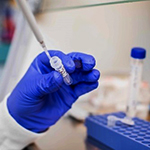
The Centre for Bioinnovation brings together an interdisciplinary team of world-leading scientists to focus on biotechnological innovations and bio-inspired solutions to significantly and positively impact human and animal health, food production and security, and the environment. Our research spans five themes: Human and Animal Health and Disease; Applied Microbiology; Aquaculture Biotechnology; Biodiscovery; and Conservation and Biodiversity. We perform extensive microbiome research and develop novel diagnostics and therapeutics for infectious diseases with applications in clinical health and agriculture. We advance aquaculture through reproductive development, selective breeding, genetics, and genomics to manipulate species physiology. We also invest in the discovery of bioactive natural products from microorganisms and terrestrial and aquatic plants and animals for applications in health, agri- and aquaculture, and conservation.
- Website
- https://www.usc.edu.au/research/centre-for-bioinnovation
- Organisation type
-
- University research centre
- Australian Research Council Industrial Transformation Research Hubs – Partner Organisation
- Cooperative Research Centre – Partner Organisation
- Number of research staff
- 20-100 research staff
- Address
- Building I (Science), UniSC Sunshine Coast, 90 Sippy Downs Drive, Sippy Downs QLD 4556 Australia
Strengths and capabilities
- Genomics, transcriptomics, metabolomics, proteomics, lipidomics, microbiomics
- Molecular engineering and diagnostics
- Therapeutics and vaccine development
- Microbial, genetic, and biochemical testing
- Biodiscovery of bioactive molecules
- Mass and Nuclear Magnetic Resonance (NMR) spectroscopy
- Chromatography
- Food analysis
- Aquaculture Biotechnology
- Aquatic reproductive systems
- Induction of spawning
- Chemical communication
- Bioinformatics
- Biodiversity assessment and conservation
- eDNA analysis and DNA barcoding
Facilities and major equipment
- Advanced Instrumentation Facility (analytical chemistry)
- Aquaculture laboratory and facility
- Advanced genetics, biochemistry, microbiology, microbial cell culture, cell culture, pre-PCR, PCR DNA/RNA analysis/identification/diagnostics in Physical Containment Class 2 (PC2) laboratories
- Microscopy (confocal, scanning electron microscope)
- Insectary
- Glass/Greenhouse and plant grow-out area
- Plant tissue culture facility
- Bioinformatics software, hardware, and facilities
- Genetics, microbiology, omics, chemistry in Physical Containment Class 1 (PC1) laboratory
Lead researchers
- Prof Abigail Elizur, Director – Advancing genetic and reproductive biotechnologies in aquaculture for food security, health, and conservation.
- Prof Peter Timms, Deputy Director – Leading the development of new diagnostics and vaccines for chlamydial diseases to save the Koala.
- A/Prof Joanne Macdonald, Deputy Director – Progressing biosensing technology to develop new low resource, rapid, accurate diagnostic tools for deadly pathogens.
- Prof Scott Cummins, Theme Leader – Innovative multi-omics approaches to elucidation of peptides and proteins for aquaculture, marine conservation, and health.
- A/Prof Volker Herzig, Theme Leader – Biodiscovery of novel venom components for applications including bioinsecticides. Compiled world's largest arachnid venoms collection.
Achievements of the centre
- Koala chlamydia vaccine developed by the Centre for Bioinnovation found to significantly protect from chlamydial disease and mortality (npj Vaccines).
- World-leading software to detect and predict antimicrobial resistance (AMR) in deadly superbugs developed by the Centre for Bioinnovation (Genome Medicine).
- Identified 16 Australian high-grade propolis types (‘bee glue’) with chemical properties to spark an industry for food and health products.
- Awarded two Advance Queensland Industry Research Fellowships in 2024 creating bioinsecticides from spider venom and unlocking the potential of propolis.
- Developed multiple -omic resources for crustaceans gene silencing and approaches to find alternatives to eye stock ablation cultivated crustacean meat.
Key science sectors
More information about the sectors this centre is involved in:
Update details
Is this your centre? See any issues? Send a request to update your listing.